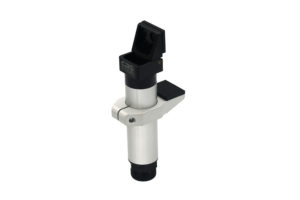
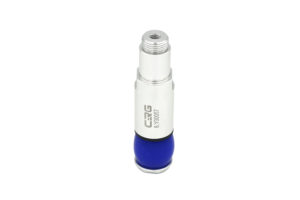
needle grippers

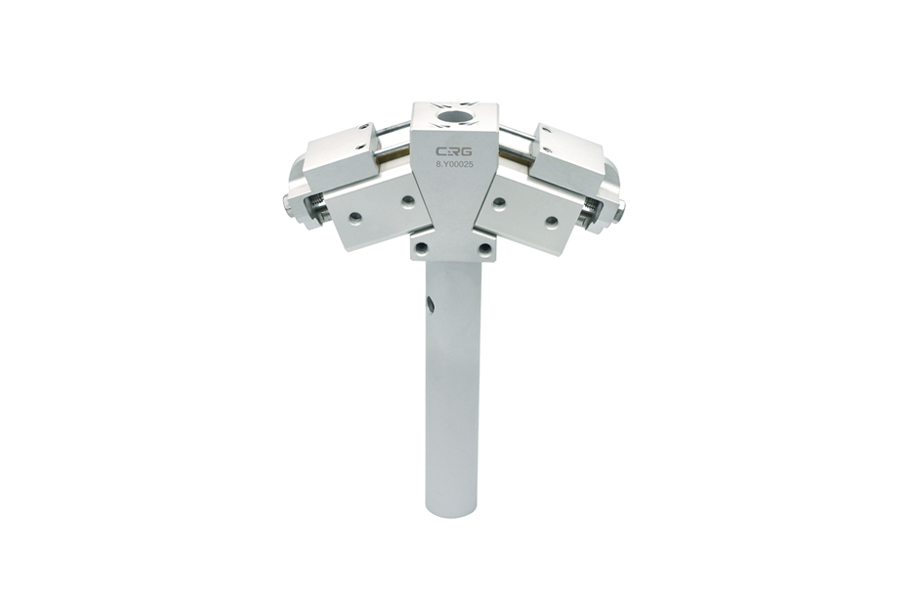
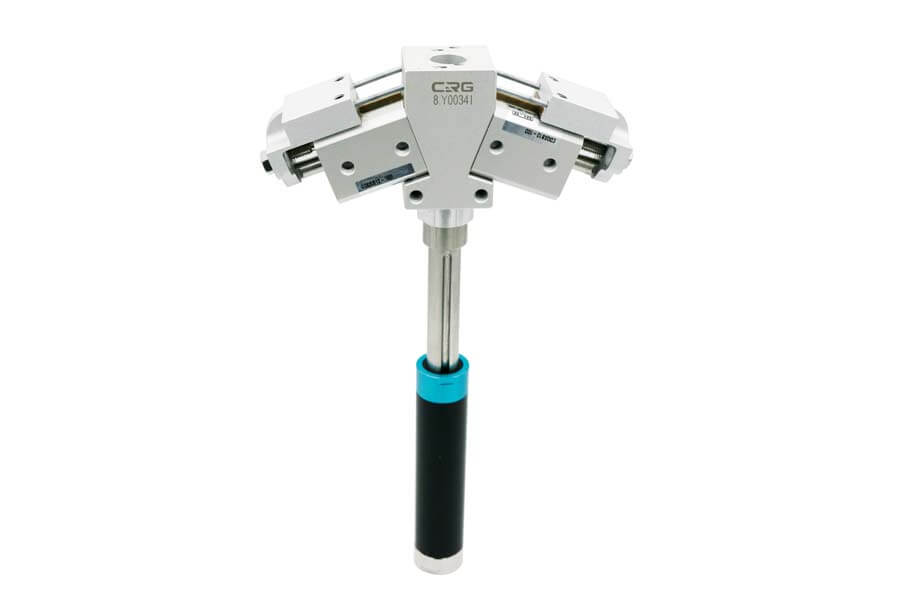
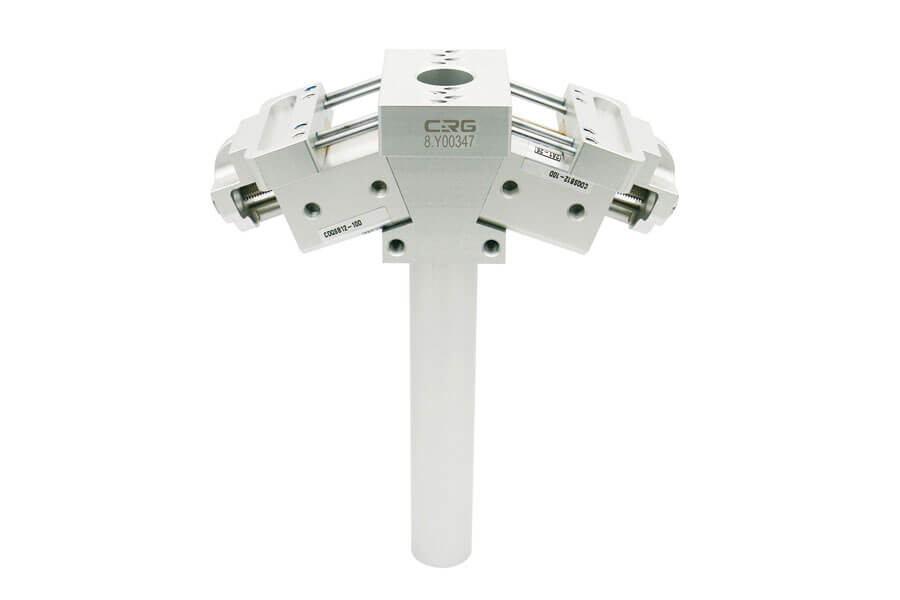
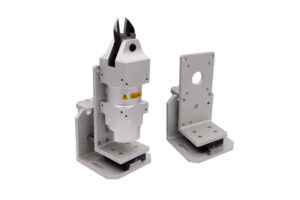
CRG pneumatic needle grippers are ideal for handling textiles, fabrics, carpets, and other penetrable materials, particularly porous workpieces that cannot be handled reliably with vacuum cups.

These EOAT needle grippers are suitable for textile, food-processing, and other automation applications. Compatible fittings are available for easy integration into robotic gripper systems.
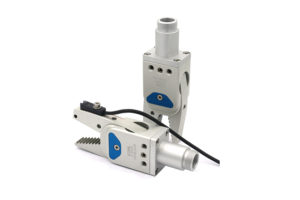
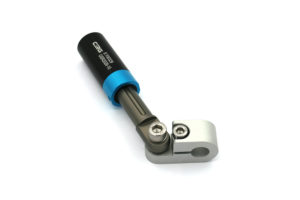
Needle gripper_CRG
4 Pin Needle Gripper_CRG
4 Pin Needle Gripper
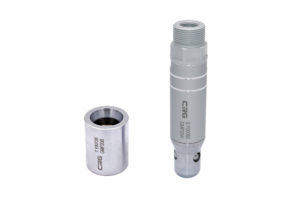
8 Pin Needle Gripper_CRG
8 Pin Needle Gripper

Looking for a custom needle gripper?

Our catalog includes four needle-gripper models. Leave your email and one of our experienced engineers will contact you within 24 hours.

Get In Touch
Find Us
Follow Us

Send us a message

We respect your privacy. Your personal information is secure and will never be shared with third parties.

Porous Material Handling Guide

When to Use a Pneumatic Needle Gripper

A pneumatic needle gripper uses controlled pins to penetrate and hold porous or flexible material that is difficult to handle with vacuum. Typical applications include textiles, insulation, foam and layered technical materials.

Material Suitability

Confirm that controlled needle penetration is acceptable and that the material has enough structure to retain the pins during acceleration.

Needle Pattern and Depth

Match the number, angle and penetration depth of the needles to material thickness, density, layer structure and allowable penetration.

Pickup Support

Check whether the material needs a support surface, stripping action or multiple grippers to prevent sagging, tearing or rotation.

Air and Detection

Confirm operating pressure, cycle time, retraction reliability, mounting orientation and whether material-presence feedback is required.

Application Fit

Needle Gripper or Vacuum Gripper?

Choose a Needle Gripper

Use controlled penetration for porous, fibrous or air-permeable materials where suction cannot establish a stable seal.

Choose a Vacuum Gripper

Use suction when the surface can seal reliably and penetration or visible pin marks are not acceptable.

Before You Request a Quote

Needle Gripper Selection Checklist

These application details help define the needle arrangement, stroke, quantity and EOAT layout.

  • Material type and sample
  • Thickness and density range
  • Number of layers
  • Allowed penetration depth
  • Pickup area and orientation
  • Part size and weight
  • Cycle time and acceleration
  • Robot mounting and sensor needs
Common Questions

Needle Grippers FAQ

What materials can a needle gripper handle?

Needle grippers are commonly used for textiles, foam, insulation, carpets and other penetrable porous materials. Suitability should be confirmed with the actual material.

Will a needle gripper leave marks?

The pins penetrate the material, so small holes or marks may remain. Penetration depth, needle angle and pickup location should be tested against the product requirement.

How many needle grippers are needed?

The quantity depends on part size, stiffness, weight distribution, acceleration and allowable sag. Large flexible sheets may require several pickup points.

What should I send for model selection?

Send material samples or specifications, dimensions, thickness range, weight, pickup orientation, cycle time, robot interface and any mark limitations.

Confirm the right needle gripper

Send the material, thickness, part size and pickup conditions for a practical recommendation.

Discuss Your Application
Scroll to Top